
Tulips are a spring favorite and popular flower to grow for gardeners of all skill levels. They come in variety of sizes and colors. These beautiful flowers add a pop of life to any garden, and the good news is, they’re quite easy to care for. See the reference card below for an overview of tulip plant care and keep reading for detailed care and additional information about growing these beautiful flowers.
| Tulip Plant Care Guide | |
| Common Name | Tulip |
| Botanical Name | Tulipa spp. |
| Family | Liliaceae |
| Plant Type | Perennial, bulb |
| Size | Ranges from 4 inches to 28 inches in height |
| Sun Exposure | Full sun to partial shade |
| Soil Type | Well-drained, fertile soil |
| Soil pH | Neutral to slightly acidic (pH 6.0 to 7.0) |
| Bloom Time | Early to late spring depending on the species |
| Hardiness Zones | 3 to 8 |
| Native Area | Central Asia, Turkey, Europe |
| Toxicity | Bulbs are toxic if ingested; can cause irritation when handled |
Understanding Tulips
Tulips are beautiful and versatile flowers that come in a wide range of species, varieties, and hybrids. As a tulip enthusiast, you might be familiar with fringed, triumph, and Darwin hybrid tulips, among others. With over 3,000 varieties to choose from, there’s no doubt you’ll find the perfect tulip to brighten your garden.
When it comes to tulip shapes, you’ll notice these flowers often have a lovely cup-shaped form. However, some varieties may differ, showcasing unique characteristics like soft, lush petals or intricate fringes. As you explore the world of tulips, you’ll notice tulips can be simple, elegant, and complex all at once.
Remember, cultivating tulips in your garden provides a stunning visual display in spring. By understanding these colorful blooms and their many forms, you’ll be well-equipped to create a thriving, picturesque tulip garden that brings joy year after year.
Colors and Varieties of Tulips
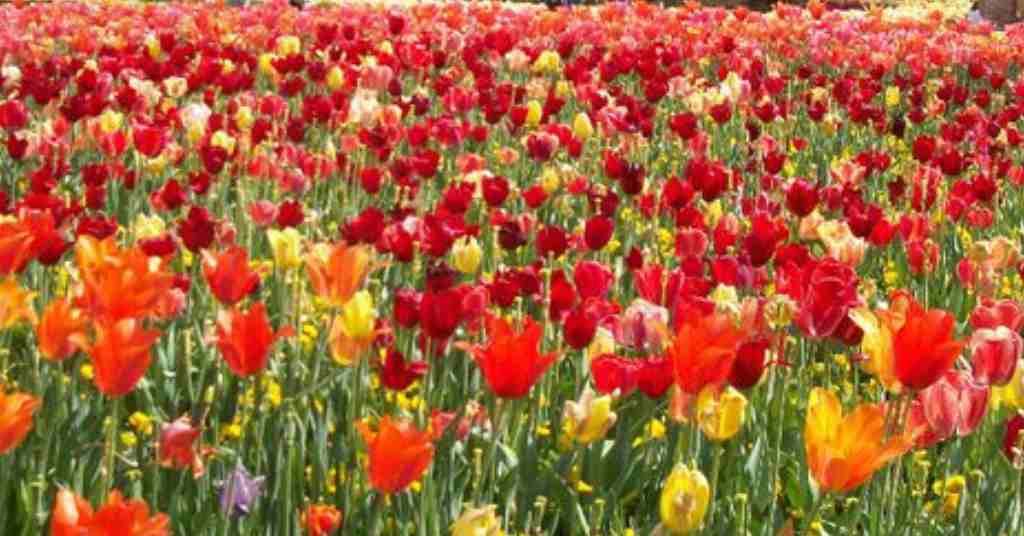
Tulips come in a wide spectrum of colors, perfect for brightening up your garden. One of the most popular spring flowers, they are known for their vibrant hues and simple yet elegant cup-shaped blooms.
Pink tulips are a lovely choice, representing happiness and confidence. They can add a gentle touch of color to your garden, blending well with other pastel-shaded flowers.
Orange tulips bring warmth and cheer to any setting. The bold color symbolizes energy and enthusiasm, an ideal addition to a lively garden or outdoor space.
For those who love deep, eye-catching shades, purple tulips are an excellent option. Their striking appearance is often associated with royalty and can create a luxurious atmosphere in your garden.
White tulips, on the other hand, create a pristine and elegant garden space. Their pure color symbolizes innocence and can be combined with any other color to create a stunning display.
Bring sunshine into your garden with yellow tulips. Their cheerful hue represents joy and happiness, creating an uplifting ambiance in any outdoor space.
Apart from the classic cup-shaped blooms, tulips also come in a variety of other shapes, such as ruffled or fringed petals. These unique and eye-catching varieties can add an interesting texture to your garden.
By choosing different colors and varieties of tulips, you can create a beautiful and diverse garden display that reflects your taste and personality. Enjoy the process of selecting the perfect tulips for your outdoor space, and remember: a vibrant and colorful garden always starts with you.
Ideal Conditions for Growing Tulips
Tulips are beautiful, low-maintenance flowers that can add a pop of color to your garden. To ensure these stunning blooms thrive, it’s essential to provide them with the right conditions. In this section, we’ll explore the ideal environment for growing tulips, including soil, sunlight, temperature, and moisture.
To begin with, tulips prefer well-drained soil. Poor drainage can lead to root rot and damage your tulip bulbs, so make sure the soil is loose and allows for proper water flow. Additionally, a soil rich in organic matter is beneficial for tulip growth.
When it comes to sunlight, tulips thrive in full sun or morning sun. They require at least six hours of direct sunlight each day to grow and bloom optimally. A location that gets morning sun is ideal, as the early sun helps dry the dew from the leaves, reducing the risk of fungal problems.
Temperature is another critical factor in growing tulips. They are best suited to hardiness zones 3 to 8 and enjoy cooler temperatures. Keep in mind that tulips need a period of cold dormancy, which can be achieved by chilling the bulbs in a refrigerator for several weeks before planting if you live outside these zones.
Optimal moisture levels are essential for tulip care. Although tulips need moisture to grow properly, they don’t appreciate overly soggy conditions. Be sure to water them regularly, especially during dry spells, but don’t let the soil become waterlogged. Adequate drainage will help maintain a balance of moisture.
In summary, creating the perfect environment for your tulips involves providing well-drained soil, ample sunlight, the right temperature, and proper moisture levels. By meeting these conditions, you’ll be able to enjoy the vibrant beauty of tulips in your garden year after year.
Planning Your Tulip Garden
Tulips are a beautiful addition to any garden, and planning your tulip garden is an exciting endeavor. In this section, we will help you create the perfect tulip garden that will brighten your space during the spring season.
First, let’s talk about the timing. It’s essential to plant your tulip bulbs in the fall, generally between September and December, as they require a period of cold dormancy before they can bloom in the spring. Make sure you plant them about 6-8 weeks before the ground freezes in your area. This will provide ample time for the bulbs to establish roots.
When choosing a location for your tulip garden, consider the sun exposure and space available. Tulips thrive in areas that receive at least six hours of direct sunlight per day. Additionally, ensure you have enough space to plant the bulbs at a proper distance from each other. A well-spaced flower bed allows for better air circulation, reducing the risk of fungal diseases.
While tulips originate from Asia, they have become iconic in the Netherlands. As a result, many tulip varieties display a range of vibrant colors and sizes. When planning your tulip garden, consider selecting various tulip types that have different bloom times. This will provide a continuous display of flowers throughout the spring season.
A well-designed tulip garden can include borders to define the edges or separate your tulips from other plants in your garden. Attractive border options can be low-growing perennials, ornamental grasses, or even other types of bulbs that complement your tulip display.
To summarize, planting tulips is an enjoyable process that can add color and beauty to your garden. Remember to plant your bulbs in the fall and choose a location with adequate sun exposure and space for proper growth. Experiment with diverse tulip varieties and borders to create a visually stunning and long-lasting spring tulip display.
How to Plant Tulips
Planting tulips is a simple process that adds a splash of color to your garden. To begin, you’ll need to purchase tulip bulbs, ideally in the fall, as this is the best time for planting.
Before you plant, be sure to store your tulip bulbs in a cool, dark, and dry place until you’re ready to plant them. This will help ensure the bulbs remain healthy and in prime condition for planting.
When you’re ready to plant, follow these steps for a vibrant tulip display:
- Choose the right spot: Select an area with well-draining soil and plenty of sunshine; tulips love the sun. Ideally, aim for at least six hours of sunlight per day.
- Prepare the soil: Remove any weeds, sticks, or rocks from the area. Mix in some compost, aged manure, or slow-release fertilizer to enrich the soil.
- Dig holes: Dig a hole that’s roughly three times the height of the bulb. The depth is critical for tulip bulbs; if not planted deep enough, they may not survive as perennial bulbs and become annuals. A typical depth is about 6-8 inches.
- Plant the bulbs: Place each tulip bulb in the hole with the pointy end facing up, as this is where the stem will emerge. Space them about 4-6 inches apart to give them room to grow.
- Cover and water: Fill in the hole with soil, gently patting it down to eliminate air pockets. Water the area thoroughly to help the soil settle and give the bulbs a good start.
Lastly, be mindful of the first frost in your area. It’s best to plant tulips roughly six weeks before the ground freezes, which allows adequate time for the roots to establish.
By following these steps, you’ll be well on your way to enjoying a beautiful and colorful tulip display in the spring. Enjoy your flourishing tulip garden!
Caring for Your Tulips
Caring for your tulips is a rewarding task, as these beautiful flowers will bring a splash of color to your garden. To keep your tulips healthy and thriving, follow these friendly tips on care, water, sun exposure, and more.
First of all, choose a well-draining spot for your tulips. This will help to prevent their roots from sitting in water, as they prefer good drainage to avoid rot. Remember that proper watering is crucial. Water your tulips once a week, giving them a deep drink until the soil is moist but not soggy. During the spring, they may require more frequent watering, especially if it hasn’t rained in a while.
Pay attention to the sun exposure. Tulips love the sun and should enjoy at least 6 hours of direct sunlight per day. However, make sure they have some shade during the hottest part of the day to prevent their delicate petals from becoming scorched.
Incorporate some fertilizer and compost into the soil. A balanced fertilizer with equal parts nitrogen, phosphorus, and potassium will help your tulips grow strong and healthy. The addition of compost to the soil will improve soil structure, ensuring proper drainage and providing the nutrients tulips need.
It’s important to keep an eye on the color of tulip leaves. Healthy tulip leaves are a vibrant green, while yellow leaves may indicate that your tulip is receiving too much water or not enough sun. Adjust your care routine accordingly if you notice any yellow leaves.
Finally, be patient with your tulips’ blooms. They may take a few years to establish a strong root system and produce vibrant, showy flowers. Don’t be discouraged; consistent care over time will lead to beautiful blooms. Enjoy the process and take pride in your gardening skills.
Pests and Diseases Affecting Tulips
Tulips can be affected by a variety of pests and diseases. To ensure your tulips grow healthy and vibrant, it’s essential to be aware of these potential problems and how to manage them.
Aphids are common pests that can wreak havoc on your tulip plants. These small, soft-bodied insects suck the sap from tulip leaves and stems, which can weaken the plant and stunt its growth. To prevent aphids, keep an eye out for their presence and treat your tulips with insecticidal soap if necessary.
Another major issue for tulips is wet soil. Overwatering or heavy rainfall can cause tulip bulbs to rot. Poorly drained soil can also lead to fungal infections like tulip fire, which can cause discolored and distorted flowers and leaves. To avoid this, make sure your tulips are planted in well-draining soil and avoid overwatering.
Slugs and snails are also known to feast on tulip leaves and petals. You can deter these pests by using barriers like copper tape around your tulip beds or by applying a slug and snail repellent.
Drought and heat stress can impact the health of your tulips. During a dry spell, it’s crucial to water your tulips consistently to keep the soil moist but not waterlogged. If the weather is consistently hot, consider providing some shade for your tulips during the afternoon hours to help prevent wilting and sunburn.
Keeping an eye on your tulips and responding quickly to any signs of pests or diseases will go a long way in ensuring that your beautiful blooms continue to flourish each season.
Container and Potted Tulip Care
Caring for your tulip plants in containers is a little different than garden-based tulips. Don’t worry, with a few tips, you’ll be able to help your potted tulips flourish.
First of all, choose the right container for your tulips. Make sure the pots have sufficient drainage holes, as tulips do not like to sit in wet soil. Opt for a pot that is at least 6 inches deep, allowing enough space for the roots to grow.
When planting your tulip bulbs, use a high-quality, well-draining potting mix. Fill the pot halfway with the soil mix, place the bulb with the pointed end facing up, and cover it with more soil. Make sure to leave a little space between the bulbs, approximately 3-4 inches apart.
Water your potted tulips every few days, ensuring the soil remains moist but not soggy. Over-watering can lead to the bulbs rotting. Keep an eye on the soil, and if it feels dry to the touch, it’s time to water.
Provide your tulips with plenty of sunlight, at least 6 hours every day. If you can, gradually move them outdoors as the temperature rises. Don’t forget to bring them back inside before nighttime, when the temperature can suddenly drop.
As your tulip plants mature, you might need to add a stake for support, especially if they start to lean. Use a soft string or thin rope to keep the stems upright but don’t tie it too tightly.
Feeding your potted tulips is essential for encouraging healthy growth. Use a slow-release granular fertilizer, following the instructions on the package. Alternatively, opt for a water-soluble fertilizer, mixing it with water and applying it every 2 to 3 weeks.
With these friendly tips, you can take care of your container and potted tulips, ensuring their beautiful blooms will brighten up your home or garden.
Special Tulip Care Techniques
When it comes to tulip care, there are some special techniques you can use to keep your tulips looking their best. For optimal growth and blooming, pay attention to the different needs tulips have throughout the year.
During the fall, it’s crucial to plant your tulip bulbs at the right depth and spacing to ensure a beautiful spring bloom. Plant bulbs 6 to 8 inches deep, spaced about 4 to 6 inches apart. Ideally, choose a spot with well-draining soil and adequate sunlight.
Winter is the perfect time to ensure your tulips receive the proper chilling period. Tulips need a period of cold temperatures to initiate flower bud development. Ideally, they should be exposed to temperatures of 35-50°F for 12-16 weeks during this time. If you live in a warmer climate where the temperatures don’t drop low enough, you can place the bulbs in your refrigerator (not the freezer) before planting to simulate a cold winter.
Spring is when tulips truly shine. As your tulips bloom, make sure to water them regularly and provide a balanced fertilizer to help them maintain their vibrant colors. Deadhead any spent blooms to encourage new growth and follow proper pruning methods to promote the longevity of your tulips.
If you’d like to enjoy tulips indoors, forcing is a technique you can use. Simply place the bulbs in a vase with water, ensuring the water level is just below the bottom of the bulbs. Place the vase in a cool, dark place like a refrigerator for the chilling period, then transfer it to a well-lit area for the bulbs to bloom.
When it’s time for cutting tulips to bring indoors, be sure to do so early in the day for the best results. Cut the stems at a 45-degree angle, and immediately place them in water. For maximum vase life, replace the water every few days, and avoid placing the vase in direct sunlight or near heat sources.
Nutrition and Soil Requirements for Tulips
To ensure your tulips grow healthy and strong, it’s important to provide them with the right nutrition and soil conditions. Start by choosing a well-draining soil with a pH between 6.0 and 7.0. This range ensures proper nutrient absorption for your tulips.
It’s a good idea to mix in some organic material like compost or well-rotted manure into the soil before planting. This will improve the soil structure, promote healthy root growth, and provide essential nutrients. Your tulips can also benefit from the addition of bone meal. Incorporate it into the planting hole, which supplies essential phosphorus, promoting a strong root system.
Fertilizing your tulips is important for their growth and flowering. In the early growth stage, use a balanced fertilizer with equal amounts of nitrogen, phosphorus, and potassium (such as 10-10-10). This can be applied once the foliage begins to emerge. Don’t forget to water the plants after fertilizing to help the nutrients reach the roots.
As the tulips approach the flowering stage, switch to a low-nitrogen, high-phosphorous fertilizer (like 5-10-5), which encourages flower production. Remember to always follow the recommended application rates on the fertilizer package to avoid over-fertilizing your plants.
Monitoring the soil temperature is another key aspect of tulip care. Ideally, plant your bulbs when the soil temperature is around 55°F (13°C) at the planting depth. This cool temperature promotes root development while discouraging premature top growth.
By providing the right nutrition and soil conditions, your tulips will have the support they need to thrive and produce vibrant blooms. Enjoy their beauty and apply these care tips to give your tulips the best chance to flourish.
Tulip Plant Care – Related Articles
Planting Fall Bulbs – Daffodils and Tulips
FAQ – Tulip Plant Care
Tulips should be watered consistently, but not excessively. Allow the soil to dry slightly between watering sessions. In general, water your tulips once a week or when the top inch of soil is dry. During periods of prolonged rain, you can reduce the frequency of watering.
The ideal time to plant tulip bulbs is in the fall, around six weeks before the ground freezes. This period allows the bulbs to establish strong roots before the winter chill sets in. In most regions, this means planting tulip bulbs between September and November.
Yes, tulips benefit from fertilization. Apply a slow-release granular fertilizer in the fall when you plant the bulbs. This will provide nutrients throughout the growth cycle. Be cautious not to over-fertilize, as it can lead to weaker plants and fewer flowers.
To protect your tulips from pests, such as aphids and slugs, use a combination of methods. Remove dead leaves and debris to eliminate hiding spots for pests. You can also use insecticidal soaps or horticultural oils to combat aphids. For slugs, consider using natural methods like placing shallow dishes of beer around the tulips, which attract and drown the slugs.
Tulips thrive in well-drained soil with at least six hours of sunlight per day. They prefer a soil pH between 6.0 and 7.0. Be sure to select a planting location that does not accumulate standing water, as this can lead to bulb rot.
For indoor potted tulips, place them in a bright location with indirect sunlight. Keep the soil evenly moist, but avoid overwatering as it can lead to root rot. Maintain indoor temperatures between 60-70°F (15-21°C). Once the tulips have finished blooming, remove the flowers and let the foliage die back naturally. You can then transplant the bulbs outdoors or store them in a cool, dry place for future replanting.