
Estimated reading time: 4 minutes
Table of contents
Unraveling the Mystery of Soil pH
Imagine you’re an aspiring detective on the trail of an elusive case. Your task? To discover the secret identity of your garden’s soil. Sounds thrilling, right? In reality, figuring out your soil’s pH level isn’t a Herculean task. Understanding the pH of your soil, whether it’s acidic (low pH levels) or alkaline (high pH levels), is just as crucial as knowing your best friend’s favorite ice cream flavor! So, what are the signs of acidic soil?
The term “pH” might seem like fancy science lingo, but it stands for “potential hydrogen.” This term represents the level of hydrogen ions in a solution—in our case, the soil solution. The pH scale ranges from 0 to 14, with 7 marking the neutral point. Lower pH signifies acid soils, while higher numbers point to alkaline soil.
The items listed are accompanied by affiliate links, meaning I earn a small commission if a purchase is made through my links. This has no impact on the cost to the consumer.
Is Your Garden Throwing Tantrums? Watch Out for Signs of Acidic Soil!
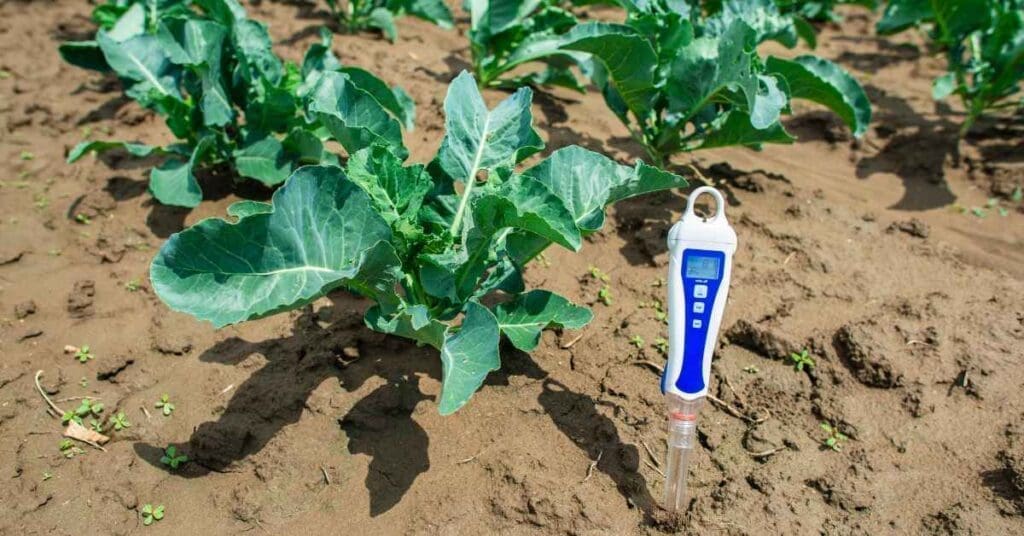
If your plants are looking a little down despite all your hard work, there’s a good chance your soil’s acidity might be the cause. Often, yellow spots on lawn grasses, bare patches, or nutrient deficiencies signal low soil pH. But fear not! A soil test kit available at most garden centers can be your best option to confirm your detective hunches.
Collecting soil samples for analysis is the first step in this exciting investigation. The results of a soil test will reveal the pH level of your soil, whether you have sandy soils or hard soils like clay.
How Acidic Soil Influences Plant Health
If you’ve noticed your plants struggle in acidic conditions, you’re not alone—it’s a common occurrence! The soil type and its acidity impact the availability of plant nutrients essential for healthy plant growth. Acid soils often lead to an iron deficiency among plants, which presents as yellowing leaves.
The good news? Some plants actually thrive in acidic soil! Acid-loving plants, such as azaleas or blueberries, are more than happy to soak up the soil’s hydrogen ions. However, for most plants, the preferred pH range is slightly acidic to neutral.
The Nitty-Gritty: Factors Contributing to Soil Acidity
A number of reasons might contribute to your garden’s soil acidification. The presence of basic materials like organic matter and carbon dioxide can naturally lower pH. Acid rain, which is rainwater mixed with sulfuric acid, is another potential culprit. Nitrogen fertilizer, when overused, can also lead to soil acidity.
The best way to mitigate this is to keep an eye on the nutrient availability in your soil and avoid over-fertilizing. A little attention can go a long way in ensuring a healthy lawn!
Playing the Soil Game: How to Fix Acidic Soil
Even if you’ve got soil with low pH levels, it doesn’t spell doom for your garden. The secret to reviving your garden is a soil amendment, such as lime treatment.
Lime, whether it’s pure calcium carbonate or dolomitic limestone (containing magnesium carbonate), works wonders in raising the pH of the soil. By adding lime, we can reduce the soil’s acidity, creating sweet soil conditions that most plants love.
However, the best time to apply lime is in fall or early spring. Before application, it’s important to consider your soil conditions, as sandy soils need less lime compared to clay soil. Consulting your local extension office or following the instructions on the lime bag will ensure your garden gets the right amount of treatment.
Soil pH might seem daunting, but with a little bit of knowledge and a lot of love, you can turn your garden into a happy, healthy haven. Now, roll up those sleeves and let the soil games begin!
FAQ – Soil and PH
You can lower the soil pH by adding substances like sulfur or ammonium sulfate. However, it’s always a good idea to conduct a soil test first to determine how much is needed.
Soil pH is important because it affects the availability of essential nutrients. It can also influence the activity of beneficial soil organisms, which can impact soil fertility and plant health.
Yes, extremely acidic soil can limit nutrient availability, leading to poor plant growth and lower crop yields.
No, soil pH can vary depending on the soil type, the amount of organic matter present, and the type of parent material from which the soil formed.
No, different plants have different pH preferences. Some plants prefer acidic conditions, while others prefer neutral or alkaline conditions.