
Hey there, budding gardener! Dive into the magical realm of soils, a place where pH levels can play the maestro, guiding plant growth, health, and vibrancy. If you’ve ever found yourself puzzled about the buzz around the “best acidic potting soil” or wondered how soil pH could possibly affect that rose or tomato plant in your backyard, you’ve arrived at the right place. Today, we’ll unwrap the secrets of soil acidity, demystify common blunders, and empower you with practical, easy-to-apply tips. Ready to get your hands a little dirty and your garden flourishing? Let’s go!

Defining the Best Acidic Potting Soil
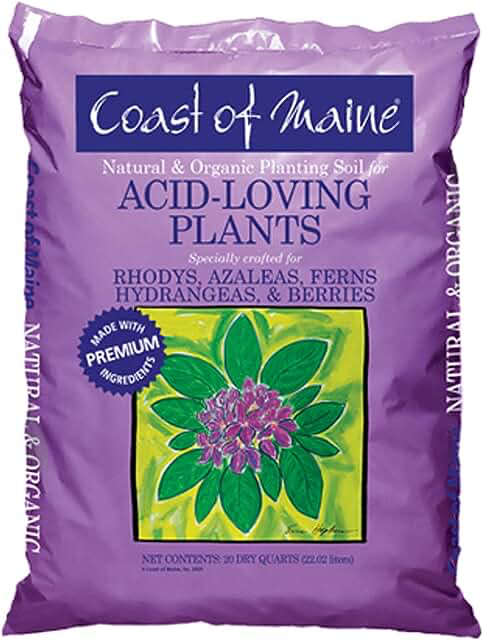
When we talk about soil, we’re essentially referring to the Earth’s magical mix that supports plant life. The best acidic potting soil, rich in organic matter and certain natural ingredients, has a pH level that sits between 4 and 6 on the pH scale. Think of the pH scale as a yardstick for soil’s mood: too high, and it’s alkaline; too low, and it’s acidic.
So, what makes up this delightful blend that plants crave? Ingredients like sphagnum peat moss, which is harvested from ancient peat bogs, form the foundation. Pine bark, another favorite, provides essential nutrients and aids in water retention. Organic matter, which might include components like coconut coir and pine needles, adds to the soil’s overall health and fertility.
A Glimpse into History
The origins of using specific potting soils trace back to experienced gardeners in the United States who knew the secret formulas for each type of plant. Over time, these tailored soil mixes and blends began to make their way into local garden centers, becoming the go-to choice for many. Not only did they offer water retention properties, but they also catered to specific potting soil needs of different plants.
Plants that Thrive in Acidic Soil
If you’ve ever dreamt of a garden filled with the vibrant colors of azaleas, rhododendrons, and blueberries, acidic soil should be your best friend. These acid-loving plants, also known as ericaceous plants, are naturally adapted to thrive in environments with more acidic conditions.
Here are some plants that will give a standing ovation to your acidic potting soil:
- Blueberries: These are the poster-child for acid-loving plants. Their sweet, juicy berries and vibrant fall colors make them a garden favorite.
- Rhododendrons: These evergreen shrubs, with their large, dramatic flowers, are like the divas of the garden, craving that acidic stage.
- Azaleas: Cousins to the rhododendron, they bloom with such extravagance that they practically demand your attention.
- Camellias: These beauties, with their rose-like blooms, love the pH scale tipping towards the acidic end.
- Magnolias: With dramatic flowers and a scent to die for, they’re right at home in acidic soils.
How to Identify the Perfect Blend
Finding the best acidic potting soil is a bit like being a detective. Look out for keywords like “sphagnum moss”, “pine bark”, and “organic matter” on the packaging. Check out reviews online—positive reviews will help guide you towards brands trusted by others. Remember, a good potting mix will offer excellent drainage, have a rich, dark color, and feel moist but not soggy to the touch. Happy soil hunting!
Why is Soil pH Important?
Diving into the World of pH
Have you ever wondered why lemonade tastes sour and baking soda feels a bit bitter? It’s all about pH! Everything, from the foods we eat to the water we drink and, yes, the soil in our gardens, falls somewhere on the pH scale, which ranges from 0 (very acidic) to 14 (very alkaline), with 7 being neutral. Soil pH is like the heartbeat of the garden, determining how plants grow, absorb nutrients, and interact with their environment.
The Science Behind Soil pH
Plants rely on soil to provide them with essential nutrients. But, the soil’s pH level determines how well these nutrients are absorbed by the plant roots. For instance, in more acidic soils, elements like iron and manganese become more available. In contrast, alkaline soils may limit the availability of these elements, which could result in weaker or yellowing plants.
In the grand theater of your garden, think of pH as the stage setting. If the setting isn’t just right, our plant actors can’t perform their best. An unsuitable pH might mean a rose struggling to bloom or a tomato plant producing fewer fruits.
Soil pH: More than Just a Number
The pH level also influences the microbial life – the billions of unseen tiny creatures that live in every spoonful of soil. These microorganisms play a crucial role in breaking down organic materials and aiding in nutrient absorption. An improper pH can disrupt this vibrant community, leading to a less fertile and healthy garden.
The Cascading Effects on Plant Health
Imagine trying to eat your favorite meal, but you can’t taste anything! That’s how plants feel in soil with the wrong pH. Their ability to “taste” and absorb nutrients from the soil gets hindered. Some plants may exhibit signs of nutrient deficiency, stunted growth, or even disease. Adjusting the soil pH can often be the solution to these plant ailments.
Nature’s Own pH Preferences
Every plant species has its preference when it comes to soil pH. While blueberries and azaleas love the acidic end of the spectrum, plants like lavender and lilacs lean towards neutral to slightly alkaline soils. By understanding and respecting these preferences, gardeners can create the perfect environment for each plant to thrive.
The Art of Balancing pH
It’s fascinating to think that by adjusting the pH of your garden, you’re essentially speaking the language of plants, catering to their specific needs. When you begin to see vibrant flowers, luscious fruits, and thriving foliage as a response, you’ll know you’ve struck the perfect pH balance. It’s nature’s way of saying, “Thank you!”
The Do’s and Don’ts of Acidic Soil
The Art of Nurturing Acidic Gardens
Handling acidic soil is much like mastering a musical instrument. It’s all about striking the right chord between understanding its unique nature and ensuring you don’t go overboard. Just like any great artist, a gardener too must know when to act and when to step back. Let’s delve into the symphony of acidic soil care with these fundamental do’s and don’ts.
Do’s of Acidic Soil
- https://amzn.to/3wNHOTWTest Before You Invest: Before making any changes, get a soil test. This simple step, often overlooked, gives you a clear picture of your soil’s current pH and helps guide your next steps.
- Use Natural Amendments: When looking to increase soil acidity, organic materials like pine needles, oak leaves, and sphagnum peat moss can be your best allies. They not only adjust the pH but also enrich the soil.
- Water Wisely: Water retention is vital for acidic soil. Ensure the soil remains moist but never waterlogged. Too much water can suffocate the plant’s roots, while too little can make the soil too acidic.
- Rotate Crops: Different plants extract different nutrients from the soil. By rotating your crops each growing season, you ensure a balanced nutrient profile in your garden.
- Monitor Soil Health: Keep an eye on your garden. Plants will often “tell” you if the soil is too acidic through yellowing leaves, stunted growth, or poor fruiting. Be ready to adjust as needed.
Don’ts of Acidic Soil
- Don’t Over-Acidify: It’s easy to get carried away, but adding too much of an acidifying agent, such as aluminum sulfate, can harm plants. Remember, moderation is key.
- Avoid Lime: Lime is used to raise soil pH, making it more alkaline. If you’re aiming for an acidic environment, steer clear of this amendment.
- Don’t Ignore Drainage: Acidic soils, especially those with high organic matter, can retain a lot of water. Ensure your garden beds and containers have good drainage to prevent waterlogged conditions.
- Resist Over-Fertilizing: Some fertilizers can alter soil pH. Using them excessively can shift the pH scale more than desired. Always follow the recommended application rates.
- Don’t Neglect Mulching: Mulch, like pine bark or coconut coir, protects the soil from rapid pH changes and helps maintain consistent moisture levels. Avoid using materials that neutralize acidity.
Navigating the Acidic Soil Landscape
Tending to an acidic garden is like dancing to a specific rhythm. While the steps may seem intricate at first, with practice and patience, they become second nature. Remember, each garden is a unique canvas. By following these do’s and don’ts, you’ll soon be painting a masterpiece with every plant, shrub, and tree you nurture.
Easy Ways to Increase or Decrease the Acidity of Soil – Ideas for Beginners
Mastering the Symphony of Soil pH
The world beneath our feet is alive, pulsating with life, energy, and intricate balances. One of the keynotes in this underground symphony is the soil’s pH. Whether you’re a novice with a potted plant or an enthusiastic beginner eager to green an entire backyard, understanding how to fine-tune this pH can be a game-changer. Let’s embark on this exciting journey of soil alchemy!
Turning Up the Acidity – Going Sour!
- Organic Coffee Grounds: Next time you brew your morning coffee, don’t discard the grounds. Sprinkle them over your soil. They’re a fantastic way to gently acidify the soil while providing essential nutrients.
- Sphagnum Peat Moss: Available at most garden centers, this is a top pick for those looking to acidify soil. Mix it into your garden beds or containers for a gradual shift towards the acidic side.
- Vinegar Solution: Mix a cup of white vinegar with a gallon of water and water your plants with this solution. It’s a quick, albeit temporary, method to increase soil acidity.
- Aluminum Sulfate & Iron Sulfate: These can be sprinkled around acid-loving plants. They not only acidify the soil but also provide essential nutrients. Use as directed to prevent over-acidifying.
Neutralizing the Acidity – Sweetening the Soil!
- Garden Lime (Calcium Carbonate): The most popular choice to reduce soil acidity. Spread it as per package instructions and water it in. Over time, it raises the soil pH, making it more alkaline.
- Wood Ashes: If you have a fireplace, this is a great recycling tip. Wood ashes, when sprinkled over soil, can decrease its acidity. However, use sparingly to avoid making the soil too alkaline.
- Baking Soda Sprinkle: For small patches or specific plants that aren’t enjoying the acidic vibe, a light sprinkle of baking soda can help neutralize the pH.
- Crushed Eggshells: Rich in calcium, crushed eggshells can be spread around plants to slowly reduce soil acidity. Plus, they give your garden a calcium boost!
pH Magic: Quick Tips for the Budding Gardener
- Consistency is Key: Adjusting soil pH is not a one-time act. It’s a continual dance of observation, adjustment, and patience.
- Nature’s Feedback: Plants are communicative. Yellow leaves, stunted growth, or reduced flowering might be their way of signaling discomfort with the soil’s pH.
- Stay Curious: Every garden is unique. While general guidelines help, your specific potting mix, local climate, and types of plants might mean your garden has its own pH preferences.
The Beautiful Balance of Nature
Remember, gardening is as much science as it is art. By understanding and adjusting the pH, you’re tapping into one of the fundamental rhythms of nature. Whether you’re dreaming of vibrant blueberry bushes or fields of lavender, these easy adjustments can help you create the perfect soil song for your green dreams. Happy gardening!
Common Mistakes Beginner Gardeners Make with Soil Acidity
Navigating the Slippery Slope of Soil Acidity
Like any new hobby or skill, gardening has its learning curve. And when it comes to soil acidity, even the most green-thumbed among us can occasionally misstep. So, before you roll up your sleeves and dive into the garden, let’s explore some of the common blunders beginner gardeners make and learn how to sidestep them.
Blind Adjustments – “Guess-timating” Soil Acidity
The Mistake: Many newcomers believe they can judge their soil’s acidity levels by observing their plants, then add amendments without testing. The Solution: Always start with a soil test. It’s the most reliable way to know your soil’s pH level. Think of it as a medical check-up for your garden. Knowing the exact pH can save time, money, and, most importantly, your plants from distress.
Over-Compensating with Amendments
The Mistake: In a bid to quickly correct pH imbalances, it’s common for beginners to overdo it with soil amendments, thinking “the more, the better. “The Solution: Patience is crucial in gardening. Add amendments gradually, following package or expert recommendations. Re-test the soil after a few weeks to see if further adjustments are needed.
Neglecting Local Soil Conditions
The Mistake: Beginners often assume that generic gardening advice applies everywhere. They might neglect the fact that local soil conditions can greatly affect acidity. The Solution: Engage with local garden centers or gardening communities. They can provide insights specific to your region, ensuring that you work in harmony with your local environment.
Ignoring Seasonal Changes
The Mistake: Assuming that soil’s pH remains static throughout the year. In reality, rain, composting, and plant growth can shift the pH over seasons.The Solution: Regularly check the soil pH, especially at the cusp of major seasons like spring and late summer. This ensures you’re always in tune with your garden’s needs.
Choosing the Wrong Plants for the pH
The Mistake: Planting without considering the pH preferences of the plants. This can lead to struggling plants that fail to thrive.The Solution: Research plants before introducing them to your garden. If you have naturally acidic soil, opt for acid-loving plants like blueberries or azaleas. Conversely, for more alkaline soils, choose plants that thrive in those conditions.
Not Monitoring Water Source
The Mistake: Overlooking the fact that water can alter soil pH, especially if it’s too acidic or alkaline. The Solution: Check the pH of your primary water source. If it’s drastically off-balance, consider using a pH adjuster or collecting rainwater for watering plants.
Lessons from the Earth
Every mistake is a lesson in disguise. As beginner gardeners, it’s okay to stumble once in a while. What’s crucial is observing, learning, and growing – much like the plants you nurture. By being aware of these common pitfalls and armed with the knowledge to avoid them, you’re setting yourself up for a gardening journey filled with joy, discovery, and blooming success.
Best Acidic Potting Soil – Conclusion
Ah, what a journey through the layers of garden wisdom! We’ve delved deep into the mysteries of soil, sifted through its acidic intricacies, and emerged with a basketful of knowledge. As you embark on your gardening adventure, remember, every plant, every patch of soil, and even every mistake is a chance to learn and grow. With the insights you’ve gained today, you’re well-equipped to orchestrate a symphony of thriving plants. From the delicate dance of pH adjustments to choosing the right companions for your soil, your garden awaits its maestro. So, step forth with confidence, and let your green dreams blossom!
FAQ About Growing Acid-Loving Plants & Acidic Potting Soil
Azaleas and gardenias are popular indoor acid-loving plants.
Yes, coffee grounds are a great idea to add acidity to soil.
It’s a good idea to test it at the beginning of the growing season, and again in late summer.
No, eggshells are a source of calcium carbonate, which actually raises soil pH.
Natural ingredients like pine bark and alfalfa meal are excellent choices.