
Estimated reading time: 20 minutes
Table of contents
- Assessing Sunlight Requirements
- Evaluating Soil Quality and Drainage:
- Considering Wind and Microclimates:
- Proximity to Water Sources:
- Space and Layout Considerations:
- Climate and Hardiness Zones:
- Overcoming Potential Obstacles:
- Considering Environmental Factors:
- Long-Term Planning and Flexibility:
- FAQ – Garden Location
- Related Articles
- Choosing the Perfect Garden Location Sources:
Choosing the perfect garden location is the crucial first step towards a thriving and successful garden. The right location can make all the difference, providing optimal growing conditions for your plants and ensuring a bountiful harvest. But with so many factors to consider, from sunlight and soil quality to drainage and environmental factors, it can be overwhelming to find the ideal spot. In this comprehensive guide, we will delve into the essential aspects of choosing the perfect garden location. By understanding the importance of factors such as sunlight, soil quality, wind patterns, water accessibility, and more, you’ll be equipped with the knowledge to make an informed decision. Let’s explore the key considerations and discover how to create the optimal foundation for a flourishing garden.
Assessing Sunlight Requirements
Sunlight is a vital element for the growth and development of plants. Understanding the sunlight needs of your plants and assessing the availability of sunlight in your potential garden locations is essential to ensure their well-being. Here’s a closer look at the key aspects of assessing sunlight requirements:
Understanding the sunlight needs of plants
Different plants have varying sunlight requirements, ranging from full sun to partial shade. Some plants thrive in direct sunlight, while others prefer a shadier environment. Before selecting a garden location, it is crucial to familiarize yourself with the sunlight preferences of the plants you intend to grow. This information can usually be found on plant labels, seed packets, or through online research. Consider factors such as the recommended hours of sunlight, tolerance to shade, and the plant’s adaptability to different lighting conditions.
Assessing sunlight availability in potential garden locations
Once you understand the sunlight needs of your plants, it’s time to evaluate the potential garden locations to determine their sunlight availability. Observe the garden area throughout the day, paying attention to the intensity and duration of sunlight in different areas. Note any obstructions that may cast shadows, such as buildings, trees, or fences. Keep in mind that the sun’s angle and the presence of nearby structures can affect the amount of sunlight a specific area receives. Consider conducting multiple observations at different times of the day to get a comprehensive understanding of the sunlight patterns in your garden.
Tips for orienting your garden to optimize sunlight exposure:
To maximize the sunlight exposure in your garden, there are a few tips and techniques to keep in mind:
- Position your garden beds or planting areas in locations that receive the most sunlight throughout the day.
- Consider the seasonal changes in the sun’s position and adjust the orientation of your garden accordingly. This is particularly important for areas with significant variations in sunlight exposure between seasons.
- Prune or trim any overhanging branches or vegetation that may block sunlight to your garden. This will help create an open and sun-filled environment.
- If your garden location has limited sunlight due to nearby structures or tall trees, consider alternative options like container gardening or using raised beds that can be placed in sunnier spots.
- Use reflective surfaces strategically, such as light-colored walls or fences, to bounce sunlight back onto the garden and increase overall light levels.
Remember, each plant has its own specific sunlight requirements, so it’s essential to create microenvironments within your garden that cater to the needs of different plants. By understanding the sunlight needs of your plants, assessing sunlight availability in potential garden locations, and implementing strategies to optimize sunlight exposure, you can set the foundation for healthy and thriving plants in your garden.
Evaluating Soil Quality and Drainage:
The quality of soil and its drainage capabilities play a crucial role in the success of your garden. Before embarking on your gardening journey, it is essential to assess the soil quality and drainage conditions in potential garden locations. Here’s a closer look at the key aspects of evaluating soil quality and drainage:
Assessing soil quality in potential garden locations:
The first step in evaluating soil quality is to understand its composition and fertility. Take a closer look at the texture, structure, and color of the soil. Sandy soil, for example, tends to be loose and drains quickly, while clay soil is dense and retains moisture. Loam soil, which is a combination of sand, silt, and clay, is often considered ideal due to its balanced properties. Assess the pH level of the soil as well, as different plants thrive in different pH ranges. Conduct a soil test to determine nutrient levels, organic matter content, and any potential issues such as nutrient deficiencies or imbalances.
Understanding the impact of soil drainage on plant health:
Soil drainage directly affects the health and well-being of plants. Poor drainage can lead to waterlogging, root rot, and other water-related problems, while excessive drainage can result in dry and nutrient-depleted soil. Evaluate how well water drains in potential garden locations by observing the area after rainfall or irrigation. If the soil remains excessively wet for extended periods or if there are areas of standing water, it indicates poor drainage. On the other hand, if the water drains rapidly and the soil becomes dry quickly, it suggests excessive drainage. Understanding the drainage characteristics will help you determine the suitability of the soil for your plants.
Tips for improving soil quality and drainage:
If the soil quality or drainage conditions in your potential garden location are less than ideal, there are several strategies you can employ to improve them:
- Add organic matter such as compost, well-rotted manure, or leaf mold to enhance soil structure, nutrient content, and water-holding capacity.
- Incorporate amendments like perlite, vermiculite, or coarse sand to improve drainage in heavy clay soils.
- Implement raised bed gardening to create a controlled environment with improved soil quality and drainage.
- Use proper watering techniques to prevent overwatering and ensure water reaches the plant’s root zone effectively.
- Consider installing drainage systems like French drains or raised bed drainage to divert excess water away from the garden area.
- Regularly monitor soil moisture levels and adjust watering practices accordingly to maintain an optimal balance between moisture and drainage.
By assessing soil quality, understanding the impact of soil drainage on plant health, and implementing effective strategies to improve soil quality and drainage, you can create an environment that promotes healthy root growth, nutrient uptake, and overall plant vitality in your garden.
Considering Wind and Microclimates:
When choosing the perfect garden location, it’s essential to take into account the influence of wind patterns and microclimates on your plants’ growth and well-being. Here’s an exploration of the key aspects of considering wind and microclimates:
Identifying wind patterns and their effect on plants:
Wind can have both positive and negative effects on plants. While a gentle breeze can promote airflow and discourage the growth of pests and diseases, strong winds can cause damage by breaking branches, drying out plants, or causing soil erosion. Identify the prevailing wind patterns in your area by observing the direction and intensity of winds. Take note of any natural windbreaks, such as trees, shrubs, or fences, that can provide protection against strong winds. Understanding the impact of wind on your plants will help you make informed decisions when selecting a garden location.
Understanding microclimates and their influence on plant growth:
Microclimates refer to localized climate conditions within a specific area, influenced by factors like sunlight exposure, shade, wind flow, and temperature variations. Different parts of your garden may have microclimates with distinct characteristics that can affect plant growth. Some areas may be warmer, while others may be cooler due to shade or exposure to cold winds. Assess the microclimates within your potential garden locations to determine how they align with the specific requirements of your plants. This understanding will help you create suitable planting zones and optimize plant growth.
Strategies for choosing a garden location that minimizes wind impact:
Minimizing the negative effects of wind on your garden requires strategic planning and selection of a suitable garden location. Consider the following strategies:
- Position your garden in an area protected from strong winds, such as behind natural windbreaks, fences, or buildings.
- Create your own windbreaks using hedges, shrubs, or trellises to deflect or reduce the impact of wind.
- Utilize the natural topography of your property to identify sheltered areas where plants can thrive.
- Consider the orientation of your garden beds, placing taller plants or structures as windbreaks on the windward side.
- Select wind-tolerant plants that can withstand gusts and windy conditions.
- Implement additional protective measures like installing wind barriers or using windbreak fabrics.
By identifying wind patterns, understanding microclimates, and employing strategies to minimize wind impact, you can create a perfect garden location that provides optimal growing conditions for your plants. Remember to strike a balance between providing protection from excessive wind while still allowing for adequate airflow to promote healthy plant development.
Proximity to Water Sources:
Having access to a water source is crucial for the success of your garden. When choosing the perfect garden location, it’s important to consider the proximity to water sources and how it can impact your gardening efforts. Here’s an exploration of the key aspects of proximity to water sources:
Advantages of having a garden near a water source:
Gardens located near water sources offer several advantages. First and foremost, it provides convenient access to water for irrigation, reducing the effort and time required for watering. Additionally, proximity to a water source ensures a consistent and reliable water supply, which is essential for maintaining plant health and promoting optimal growth. Gardens near water sources also have the potential to support a wider range of plants, including water-loving species or those with higher water requirements.
Assessing water accessibility for your garden:
Before finalizing a garden location, it’s crucial to assess the accessibility and availability of water. Consider the proximity to water sources such as natural bodies of water, wells, rainwater harvesting systems, or municipal water supplies. Determine the ease of accessing water from these sources, taking into account factors such as distance, infrastructure, and regulations. Assessing water accessibility will help you make informed decisions about the feasibility of establishing a garden in a particular location.
Tips for efficient water management in different garden locations:
Efficient water management is essential to make the most of your water resources and promote sustainable gardening practices. Consider the following tips for optimizing water usage in different garden locations:
- Install rainwater harvesting systems to collect and store rainwater for irrigation purposes.
- Utilize efficient irrigation methods such as drip irrigation or soaker hoses to minimize water waste.
- Implement mulching techniques to conserve soil moisture and reduce evaporation.
- Group plants with similar water requirements together to ensure efficient watering.
- Consider the natural water-holding capacity of the soil in your garden location and adjust watering practices accordingly.
- Monitor and adjust irrigation schedules based on weather conditions and plant needs.
- Implement water-saving techniques such as using water-efficient containers or implementing graywater systems where permitted.
By considering the advantages of having a garden near a water source, assessing water accessibility, and implementing efficient water management strategies, you can ensure your garden thrives while conserving water resources. Remember to prioritize sustainable water practices and adapt them to the specific characteristics of your perfect garden location.
Space and Layout Considerations:
When choosing the perfect garden location, it’s essential to consider the available space and plan the layout accordingly. The way you utilize and organize your garden space can greatly impact its functionality and aesthetics. Here’s an exploration of the key aspects of space and layout considerations:
Evaluating available space for gardening:
Before starting your garden, evaluate the available space and its suitability for gardening. Consider factors such as the size, shape, and characteristics of the area. Assess the amount of sunlight it receives, any potential obstructions like trees or buildings, and the overall accessibility. Understanding the limitations and possibilities of your available space will help you make informed decisions when planning and designing your garden.
Planning the layout based on the chosen garden location:
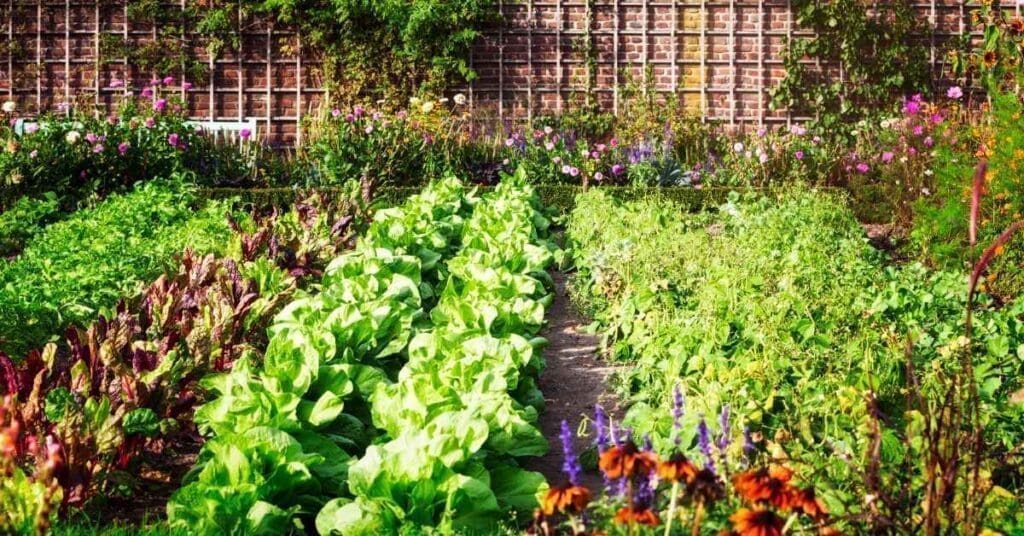
Once you have assessed the available space, it’s important to plan the layout of your garden. Consider the specific requirements and preferences of the plants you intend to grow. Group plants with similar needs together, taking into account factors like sun exposure, water requirements, and height. Consider pathways, seating areas, and other elements you may want to incorporate. Pay attention to the aesthetics and functionality of the layout, ensuring a harmonious arrangement that maximizes the use of space.
Optimal spacing and organization strategies for different garden styles:
Different garden styles have varying requirements when it comes to spacing and organization. Consider the following strategies based on the garden style you choose:
- Formal Gardens: Emphasize symmetry and precision, with plants arranged in geometric patterns. Opt for uniform spacing between plants and use hedges or pathways to define the structure.
- Cottage Gardens: Encourage a more relaxed and informal feel, with plants arranged in a dense and layered manner. Allow for closer spacing between plants to create a lush and abundant look.
- Container Gardens: Utilize pots and containers to grow plants in limited space. Optimize space by choosing appropriate-sized containers and grouping plants with similar requirements together.
- Vertical Gardens: Make use of vertical space by incorporating trellises, hanging baskets, or wall-mounted planters. Arrange plants vertically, taking advantage of height and ensuring adequate spacing for proper growth.
By evaluating available space, planning the layout, and employing optimal spacing and organization strategies, you can create a well-designed and functional garden that maximizes the use of the available space. Remember to consider both aesthetics and practicality when arranging plants and other elements within your garden.
Climate and Hardiness Zones:
Understanding the climate of your garden location and selecting plants suitable for that specific climate are essential for the success of your garden. Additionally, adapting your garden location to local climate conditions can help create an environment conducive to plant growth. Here’s an exploration of the key aspects of climate and hardiness zones:
Understanding your garden’s climate and hardiness zone:
Before choosing plants for your garden, it’s important to understand the climate of your specific location. Consider factors such as temperature range, average rainfall, humidity levels, and prevailing weather patterns. Familiarize yourself with the hardiness zone of your region, which indicates the minimum temperature plants can withstand. The United States, for example, is divided into multiple hardiness zones (USDA Hardiness Zones) to guide gardeners in selecting suitable plants.
Selecting plants suitable for your specific climate:
Once you have a clear understanding of your garden’s climate and hardiness zone, you can select plants that are well-suited to thrive in those conditions. Research plants that are known to perform well in your specific climate and consider their temperature and moisture requirements. Look for plants that are adapted to your hardiness zone and consider other factors like sun exposure and soil preferences. By choosing climate-appropriate plants, you increase the chances of successful growth and minimize the risk of plant stress or failure.
Adapting your garden location to local climate conditions:
While you can’t control the overall climate, there are measures you can take to adapt your garden location to local climate conditions and create a more favorable microclimate. Consider the following strategies:
- Position your garden to take advantage of natural windbreaks, such as fences or existing vegetation, to protect plants from strong winds.
- Use shading techniques, such as strategically placing taller plants or installing shade cloth, to protect sensitive plants from excessive heat or intense sunlight.
- Implement water management strategies, such as adding organic matter to improve soil moisture retention or utilizing drip irrigation systems to ensure efficient watering in arid climates.
- Consider the slope and drainage patterns of your garden location to prevent waterlogging or erosion issues.
By understanding your garden’s climate and hardiness zone, selecting plants suitable for that specific climate, and adapting your garden location to local climate conditions, you can create an environment that supports healthy plant growth and increases the likelihood of gardening success. Remember to prioritize plants that are well-suited to your climate and consider implementing strategies to mitigate any challenges posed by the local climate.
Overcoming Potential Obstacles:
While choosing the perfect garden location is crucial, it’s important to be aware of potential obstacles that may arise and have strategies in place to overcome them. By identifying these obstacles and implementing creative solutions, you can maximize the potential of even the most challenging garden locations. Let’s explore some key aspects of overcoming potential obstacles:
Identifying potential obstacles in different garden locations:
Different garden locations may present unique challenges that need to be addressed. These obstacles can include limited space, poor soil quality, excessive shade, or high winds. By identifying these challenges early on, you can develop effective strategies to overcome them and ensure a successful garden.
Strategies for overcoming common challenges:
Here are some strategies to overcome common challenges in garden locations:
- Limited space: Utilize vertical gardening techniques, such as trellises or hanging baskets, to maximize space. Consider container gardening or raised beds to make the most of small areas.
- Poor soil quality: Amend the soil by adding organic matter, such as compost or aged manure, to improve fertility and drainage. Implement raised bed gardening to create a controlled growing environment.
- Excessive shade: Choose shade-tolerant plants and incorporate reflective surfaces or light-colored materials to maximize available sunlight. Prune or thin out surrounding trees or shrubs to allow more light to reach the garden.
- High winds: Install windbreaks such as fences, hedges, or windbreak netting to protect plants. Select wind-resistant plant varieties and use sturdy stakes or supports for vulnerable plants.
Creative solutions for maximizing the potential of challenging garden locations:
In addition to overcoming common challenges, there are creative solutions that can help you maximize the potential of challenging garden locations:
- Utilize microclimates: Identify microclimates within your garden location and choose plants that thrive in specific microclimate conditions. For example, sunny spots for warm-loving plants or sheltered areas for delicate plants.
- Implement container gardening: If the soil quality or space limitations are significant challenges, container gardening offers flexibility and allows you to control the growing environment. Use containers of various sizes and shapes to accommodate different plants.
- Explore alternative gardening methods: Consider alternative gardening methods such as hydroponics, vertical gardening, or community gardens, which can provide unique solutions and opportunities for gardening in challenging locations.
By identifying potential obstacles, implementing strategies to overcome common challenges, and exploring creative solutions, you can overcome the limitations of challenging garden locations and create the perfect garden location for a thriving and beautiful garden. With determination, flexibility, and a bit of creativity, you can transform any obstacle into an opportunity for gardening success.
Considering Environmental Factors:
When choosing the perfect garden location, it’s essential to take into account various environmental factors that can impact the health and growth of your plants. By assessing and addressing these factors, you can create an optimal environment for your garden to thrive. Let’s explore some key aspects of considering environmental factors:
Assessing the impact of pollution on garden plants:
Pollution, such as air pollution or chemical pollutants, can have detrimental effects on garden plants. It’s important to assess the pollution levels in your area and understand how it may affect your plants’ health. Consider the proximity to industrial areas, major roadways, or sources of chemical pollution. By understanding the specific pollutants and their potential impact, you can choose plants that are more tolerant or take measures to minimize the exposure, such as using barriers or filters.
Minimizing the effects of neighboring structures on your garden:
Nearby structures, such as buildings or large trees, can have both positive and negative impacts on your garden. Assess the shade patterns and consider whether they may hinder sunlight exposure for your plants. Additionally, evaluate the impact of tall structures that may create wind tunnels or block airflow. Strategically position your garden or use planting techniques to minimize the effects of neighboring structures, ensuring adequate light and airflow for optimal plant growth.
Adapting the garden location to mitigate environmental factors:
While some environmental factors may be challenging to control entirely, there are measures you can take to mitigate their impact on your garden:
- Noise pollution: Consider using sound-absorbing materials, like hedges or fences, to create a buffer between your garden and noise sources.
- Temperature extremes: Select plants that are well-suited to your climate and provide shade or insulation to protect sensitive plants from extreme heat or cold.
- Water runoff: Analyze the water drainage patterns in your garden location and take steps to redirect water away from your plants or implement water catchment systems to conserve and reuse rainwater.
By assessing the impact of pollution, minimizing the effects of neighboring structures, and adapting the garden location to mitigate environmental factors, you can create an environment that promotes healthy and thriving plants. Remember to choose plants that are resilient and well-suited to your specific environmental conditions. With careful planning and consideration, you can ensure that your garden thrives in harmony with its surroundings.
Long-Term Planning and Flexibility:
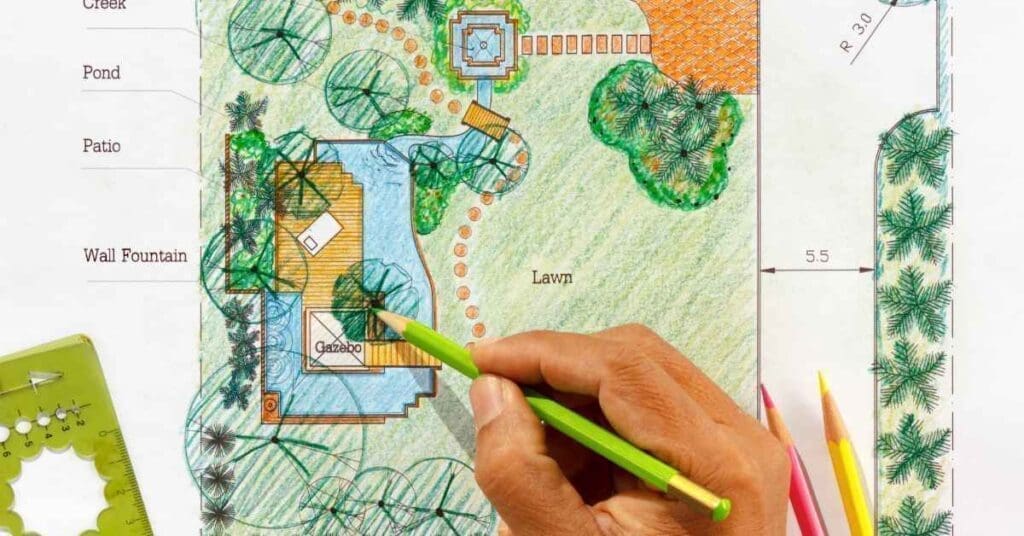
When choosing the perfect garden location, it’s important to have a long-term perspective and consider how your garden may evolve over time. By thinking ahead and incorporating flexibility into your garden design, you can ensure that your space can accommodate future growth and changes. Let’s delve into some key aspects of long-term planning and flexibility:
Thinking ahead and considering future growth and changes:
As you envision your garden, consider the long-term growth and development of your plants. Research the mature size of the plants you choose and ensure that there will be enough space for them to thrive as they reach their full potential. Anticipate any changes or additions you may want to make in the future, such as installing structures like trellises or adding new plant beds.
Designing the garden location with future expansion in mind:
When selecting a perfect garden location, think beyond your immediate needs and consider how your garden may expand or change in the future. Choose a location that offers sufficient space for future additions, such as additional plant beds, seating areas, or storage structures. Keep in mind factors like accessibility, sun exposure, and proximity to other garden features when planning for expansion.
Creating a flexible garden layout that can adapt to evolving needs:
Flexibility is key in ensuring that your garden can adapt to evolving needs and preferences. Design your garden layout with versatility in mind, allowing for easy reconfiguration and adjustment. Consider using movable containers, raised beds, or modular structures that can be easily rearranged. This flexibility will enable you to experiment with different plant arrangements, accommodate changing plant selections, and address any unforeseen challenges that may arise.
By thinking ahead and considering future growth and changes, designing the garden location with expansion in mind, and creating a flexible garden layout, you can ensure that your garden remains adaptable and enjoyable for years to come. Embrace the potential for growth and evolution, allowing your garden to reflect your changing interests and gardening aspirations. With proper planning and flexibility, your garden will continue to bring you joy and satisfaction as it flourishes over time.
FAQ – Garden Location
Sunlight is crucial for most plants and should be a top consideration. Most vegetables and flowers need at least 6-8 hours of direct sunlight per day. Check the specific needs of the plants you want to grow to make sure your chosen location is suitable.
Soil quality directly affects the health and yield of your plants. The ideal garden location should have well-draining soil rich in organic matter. Conduct a soil test to determine its pH and nutrient levels.
Yes, proximity to a water source will make watering easier and more efficient. Make sure your chosen location is easily accessible for either hose or irrigation systems.
While sloped areas can offer good drainage, they may also present challenges such as erosion and difficulty in planting. Gentle slopes are generally easier to manage than steep slopes.
Your garden should be easily accessible for frequent visits. Consider how close it is to your home, the availability of storage for tools, and how you’ll transport harvested produce.
In conclusion, choosing the perfect garden location is a crucial step in creating a thriving and enjoyable garden. By considering factors such as sunlight exposure, soil quality, drainage, wind patterns, water accessibility, climate conditions, and potential obstacles, you can make informed decisions that will greatly impact the success of your garden. Take the time to assess your available space, plan the layout, and consider long-term flexibility. Remember to adapt your garden location to mitigate environmental factors and embrace the beauty of microclimates. By carefully selecting the right garden location and addressing any challenges that arise, you will set the stage for a flourishing garden that brings you joy and satisfaction for years to come. Happy gardening!